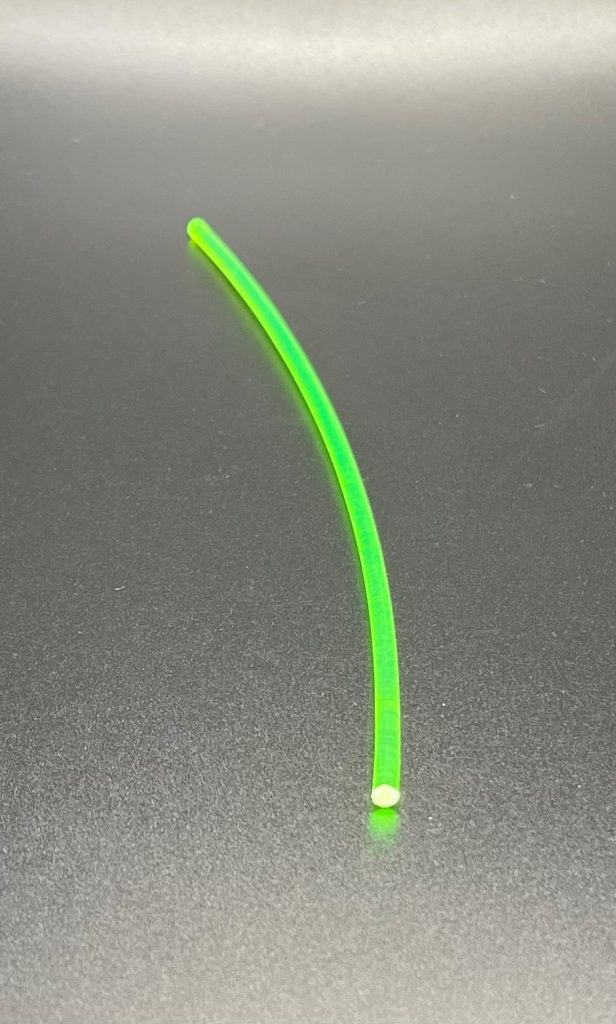
Shotgun fiber optic sights are a testament to adaptability in firearm technology. These sights, often mounted at the end of shotgun barrels, utilize small tubes containing fiber optic strands that gather ambient light and project it to the shooter’s eye. This technology enhances target acquisition and improves accuracy in various shooting scenarios.
One of the key advantages of shotgun fiber optic sights is their adaptability to different lighting conditions. Unlike traditional iron sights, which can be challenging to use in low-light environments, fiber optic sights excel in such conditions. The fiber optic strands collect and channel available light, creating a bright and highly visible aiming point even in dimly lit settings. This adaptability ensures that shooters can maintain accuracy and confidence regardless of the time of day or environmental factors.
Moreover, shotgun fiber optic sights are versatile in their application across different shooting disciplines. Whether used for hunting, competitive shooting, or tactical applications, these sights offer consistent performance and rapid target acquisition. Hunters can benefit from their quick sight picture when tracking moving game, while competitive shooters appreciate their precision for hitting targets with speed and accuracy.
Another aspect of adaptability lies in the customization options available with fiber optic sights. Shooters can choose from a variety of colors for the fiber optic strands, allowing them to tailor the sight to their preferences and shooting conditions. Bright colors like red and green are popular choices, offering high contrast against various backgrounds. Additionally, some sights feature interchangeable fiber optic tubes, enabling shooters to adjust the brightness and visibility of the sight according to their needs.
Furthermore, shotgun fiber optic sights are compatible with a wide range of shotgun models and configurations. Whether mounted on a traditional pump-action shotgun, a semi-automatic, or even a specialized turkey or waterfowl gun, these sights can enhance the performance of virtually any shotgun platform. This compatibility ensures that shooters can upgrade their firearms with fiber optic sights without the need for extensive modifications or adjustments.
Conclusion
The adaptability of shotgun fiber optic sights is evident in their performance across different lighting conditions, shooting disciplines, and firearm platforms. With their ability to improve accuracy, speed up target acquisition, and provide customization options, these sights have become a popular choice among shooters seeking enhanced performance and versatility from their shotguns.